Bananas, Diesel, and UAZ Vans: Where the Road Trip Logic Ends and the Steppe Begins
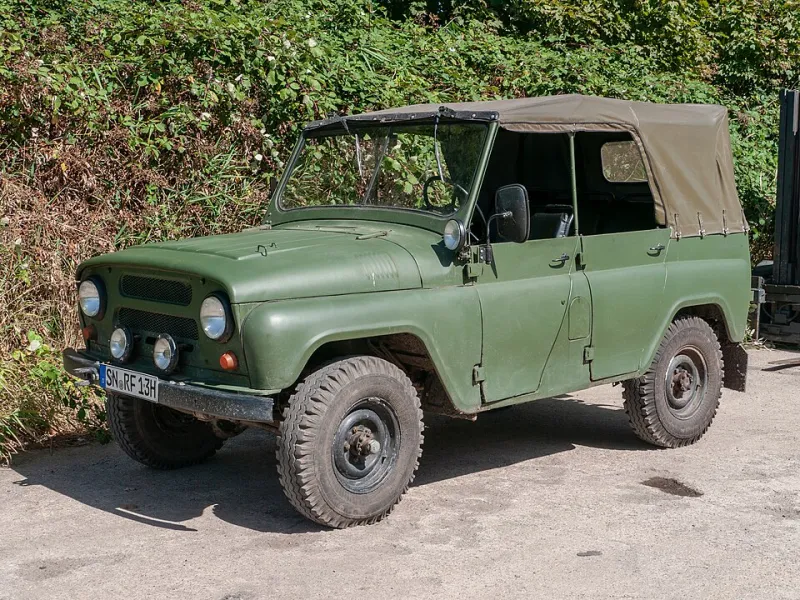
Photo: Matti Blume, CC BY-SA 4.0, via Wikimedia Commons
There's a moment in every American road trip when you leave the last real town behind. You know the one — a gas station with a case of lukewarm energy drinks, a sign that says NEXT SERVICES 87 MILES, a feeling that the world is about to get very quiet. We've built a whole mythology around it. Last chance gas. It's practically a genre.
Mongolia has that moment too. It just lasts about three days, involves a lot more cashmere, and the gas station might be a guy with a hand pump and a barrel.
The Town That Isn't a Destination
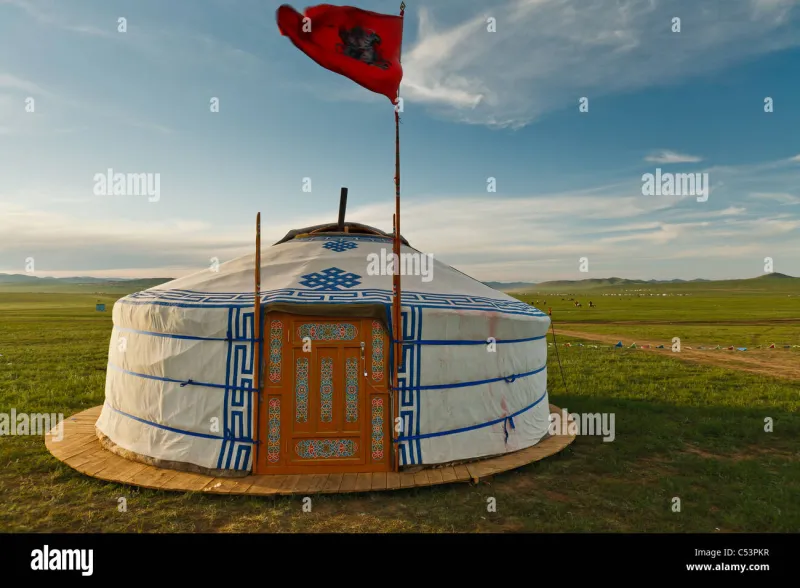
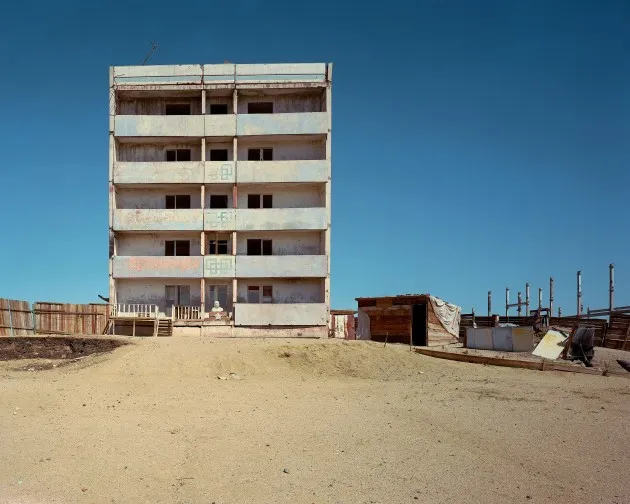
I've passed through the gateway towns — Erdenet, Darkhan, the edges of Bulgan — more times than I can count, and I've come to think of them not as places but as pressure points. Everything heading into the countryside funnels through them: diesel, flour, solar panels, candy for the kids out at the herding camps, and bananas. Always bananas. Somewhere in the back of every supply run there's a flat of green bananas riding shotgun, destined for a ger four hundred kilometers from the nearest fruit stand.
The first time I watched a family load a week of provisions into a Russian van, I thought of my dad packing the Subaru for a trip to the Boundary Waters. Same energy. Same quiet checklist happening in someone's head. Different everything else.
The Vehicles Are the Story
You can't write about these towns without writing about the trucks. The UAZ — the boxy Russian van Mongolians pronounce with a shrug, like it's a family member — is the workhorse of the transition zone. Half of them look like they were decommissioned before the moon landing. All of them run.
I spent an afternoon in a repair yard once, photographing a mechanic who fixed a fuel line with a piece of rubber tubing and sheer will. When I asked how often these vans break down, he laughed and said something I've repeated ever since: they don't break down, they pause.
For an American used to leases, warranties, and the slow, expensive death of a ten-year-old SUV, there's something almost confrontational about it. These machines are not loved despite their condition. They're loved because of what they make possible.
The Psychological Checkpoint
Here's what I've come to understand: the town isn't the last stop before the steppe. It's the last stop before a different set of rules.
Inside the town limits, you're still operating on road-trip logic. There are shops. There's a plan B, probably a plan C. If something goes wrong, there's a person whose job it is to fix it, and you pay them money and move on.
Past it, the math changes. Distance stops being measured in miles and starts being measured in hours, weather, and whether the river is up. Your phone signal, which was already theoretical, becomes a rumor. The margin of error — the thing every American road trip is quietly built on — evaporates.
I've watched travelers cross that line without noticing, and I've watched the ones who noticed. The second group is calmer, later. They buy the extra diesel. They say yes to one more pot of tea with the trader who might know which pass is washed out.
What the Town Knows That You Don't
The cashmere traders taught me this. These are people who move between two worlds the way the rest of us move between rooms — one foot in the market economy, one foot in the herding economy, fluent in both. They know the price of raw cashmere per kilo and the exchange rate. They know which families are selling this year and which camps lost animals in the dzud.
They are, functionally, the border customs agents of the steppe. You pass through their orbit and come out the other side translated.
So stop in these towns. Buy the bananas. Drink one more bowl of milk tea with two hands. Photograph the UAZ vans in the afternoon light while they idle in rows like patient livestock — because that light, slanting across dented green metal, is the last frame of one world and the first frame of another.
Then point your nose toward the grass and let the road-trip logic fall off the back of the truck. Out there, nobody's coming with a warranty.