No Receipts Out Here: How a Tank of Diesel Became the Only Currency That Mattered
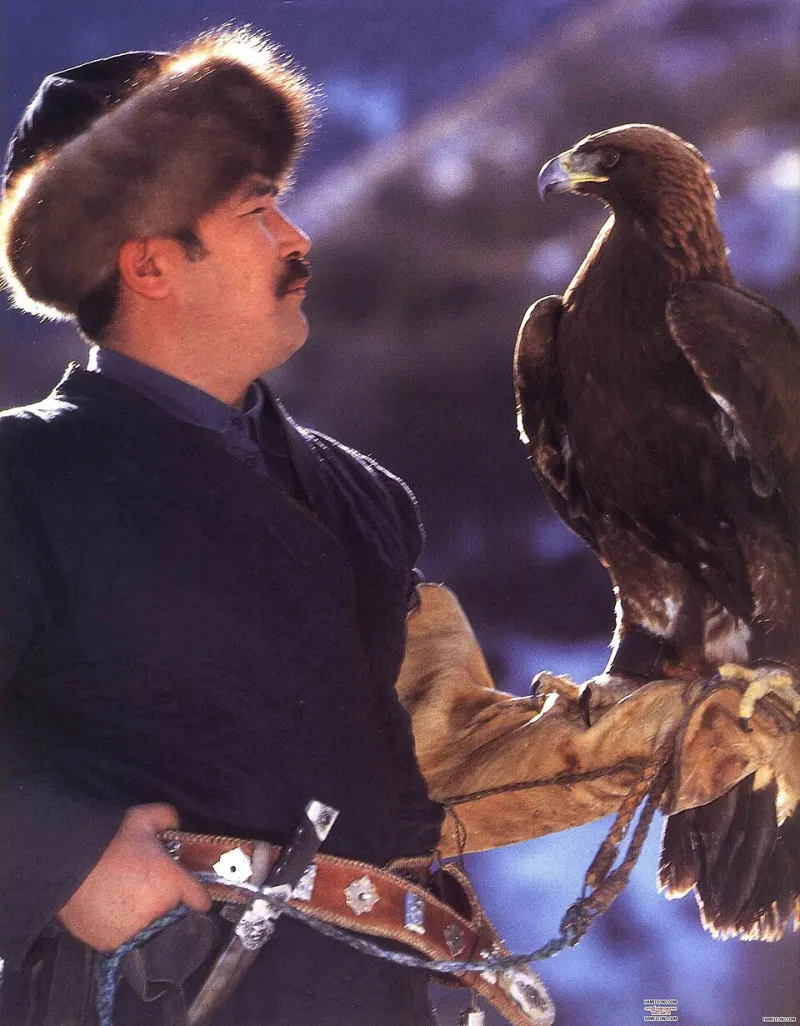
Photo: Ceyhun Kavakci, CC BY-SA 2.0, via Wikimedia Commons
The first time I tried to pay a Kazakh herder cash for three days of hospitality in the Altai, he looked at the tugrik like I'd handed him a live snake. He pushed it back across the low table, picked up my empty fuel jerry can instead, and gestured at the road. Fill this, the gesture said. And we're square.
I'd been in Mongolia long enough by then to know what was happening, but not long enough to stop being surprised by it. Out here — past the last ATM, past the last cell tower, past anything resembling a receipt — the economy doesn't run on money. It runs on diesel, repairs, meat, and memory.
The Wallet You Leave in the Van
Americans are trained to settle up instantly. Tap the card, grab the receipt, move on. It's frictionless, and it's also anonymous — the transaction ends the relationship before it starts.
The steppe works the opposite way. Out here, a transaction is the beginning of a relationship, and it's designed to be remembered. The herder who slaughtered a goat for your dinner isn't paid that night. He's paid next month, when your driver swings back through with a tank of diesel or a spare fan belt. Or next season, when his son needs a ride to the soum center.
My driver, Bataa, kept a ledger in his head that would've made a Swiss banker weep. Who owed him fuel. Whose truck he'd towed out of a bog in 2019. Which family along the western routes gave the best airag, and which one he therefore stopped at with gifts of tea and sugar. Every favor was a line item, and every line item was collectible — eventually, loosely, and always without paperwork.
What Actually Counts as Money
After a few trips, I stopped carrying much cash at all and started carrying value. Here's the informal exchange rate I learned, roughly, through trial and error:
- Diesel is the gold standard. A full jerry can buys goodwill across three aimags. Bataa called it "the truest currency — everybody's engine is hungry."
- Repairs and skills. I once watched a traveler pay for a week of ger stays by fixing two generators and a radio. A guy with a soldering iron is basically a millionaire out there.
- Meat, moving in both directions. You'll be given mutton constantly. You reciprocate with rice, flour, candy for the kids — or, if you're smart, a good knife.
- Batteries, and small electronics. A pack of AA batteries given to a herding family is remembered longer than any tip I've ever left in a New York restaurant.
- Your word. Say you'll send photos from the pass with signal, and you'd better do it. Bataa checked. Every time.
Notice what's missing: a middleman. No booking platform taking a cut, no 22% service charge, no Venmo request with a frowny-face emoji. Value flows directly between people who will absolutely meet again, because the steppe is enormous and the road network is not.
The Eagle Hunter Who Refused My Money
The man at the center of my favorite story about all this is an eagle hunter named Serik, whom I'd met through a guide and photographed over two winters. The first time, I stayed three days. When I tried to pay him, he laughed, then got serious: "You paid me with the fuel for my neighbor's motorcycle. He is the one who told me you were coming. That was your payment."
I hadn't even known that was a transaction. Bataa had quietly topped off a neighbor's bike before we arrived, and that favor had traveled ahead of me like a letter of introduction.
The second winter, Serik's daughter needed a ride to a hospital in Ölgii, four hours away. We were already going. I didn't even think of it as repayment, but of course it was — and of course he counted it. When we left, he pressed a fox-fur hat into my hands and said, "Now we are not finished." It wasn't a threat. It was, I've come to understand, the warmest thing anyone said to me in Mongolia.
What This Breaks in an American Brain
The hardest part isn't the generosity. It's the open-endedness. We like transactions that close. Paid in full, zero balance, five stars, moving on. The steppe economy never closes. You carry balances — given and owed — for years, and the ambiguity is the point. It keeps people tethered together.
The first week, this stressed me out. I kept trying to zero things out, waving cash at people who didn't want it. By the third week, I felt something loosen. I stopped asking "what does this cost?" and started asking "what does this person need?" — which, when you think about it, is the question every transaction was supposed to answer before we buried it under pricing algorithms.
A Practical Note for Travelers
If you're headed out, some honest advice: carry small-denomination cash for the soum markets and gas stations that do exist, but don't try to tip your way through the countryside — it can quietly turn a host into a vendor, and everyone loses. Instead, ask your driver or guide what the family needs. Rice, tea, sugar, batteries, a tank of gas. Bring more than you think you need.
And when someone refuses your money, don't push. Figure out what they'll accept instead. It might be a repair, a favor, a promise to return. It might just be the story of where you're from, told honestly over salty milk tea.
That's the exchange rate out here. Nobody's posted it. Everybody knows it.
I still have Serik's hat. By his accounting, I probably owe him another visit. By mine, he's right — and I've started saving up in diesel.