Eight Years Old, Bareback, and Doing Fine: Notes on Risk from a Place Without Waivers

Photo: U.S. Department of State from United States, Public domain, via Wikimedia Commons
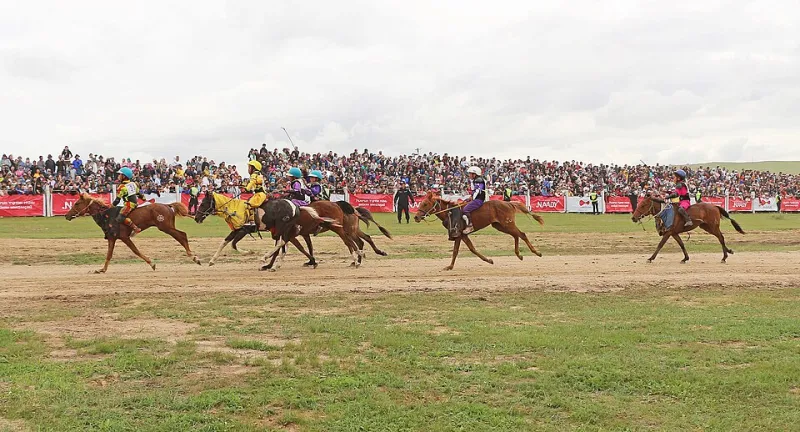
The first time I saw a child gallop a horse across open steppe, I did the math automatically, the way any American parent or uncle does. Kid's maybe eight. No helmet. No saddle. Grass moving like water in every direction, and the nearest hospital — I later learned — was a six-hour drive over tracks that don't have names.
The horse threw him twice that afternoon. Both times he got up laughing, caught his animal, and climbed back on. Nobody hovered. Nobody filmed it. His grandmother glanced up from milking, registered the situation, and went back to work.
I've thought about that kid every time I've signed an adventure waiver since.
The Liability Industrial Complex
Back home, adventure is a product, and products need protection — mostly legal protection. We sign waivers at climbing gyms, rafting outfits, the zip-line course outside Denver that required a fifteen-minute safety briefing to cross a bridge suspended two feet above a creek. Helmets for everything. Guides for everything. An experience so insulated from consequence that the danger becomes set dressing, a themed version of risk, like a haunted house.
I understand why. Litigation is real. Outfitters have families. And look, I wear a helmet on a bicycle in Brooklyn. I'm not writing a manifesto against seatbelts.
But somewhere in all that carefulness, the meaning drained out. When everything is managed, nothing is earned. You can buy the feeling of adventure without ever touching the actual thing, the way you can buy the feeling of accomplishment without accomplishing much.
The steppe doesn't offer that option. Out here, risk isn't a product category. It's weather. It's the river crossing. It's the fact that your horse decides, somewhere around kilometer twenty, whether today is a cooperative day or not.
What Nomads Actually Know About Risk
Here's what took me three trips to understand: Mongolian herders aren't reckless. They're something more interesting — they're literate in risk. A kid who's been around horses since before he could walk has read ten thousand hours of horse. He knows the ears-back warning, the shift in weight before a spook, the difference between a buck that's play and a buck that means business.
Compare that to the American model: we remove the exposure, then hand adults a two-hour crash course and a helmet and call it preparation. We don't build literacy; we build armor. And armor without literacy fails in exactly the situations that matter.
The herders I've ridden with take fewer dumb risks than most tourists I've traveled with. They just don't take the performative safety measures. The distinction matters. Caution and visible caution are two different things, and we've confused them back home.
The Meaning We Traded Away
An opinion, take it or leave it: the sanitizing of adventure travel is part of a bigger American instinct to outsource our competence. We buy gear instead of skills. We hire guides instead of judgment. And then, to feel something, we keep buying bigger versions of the same managed experience.
Mongolia doesn't sell you a managed experience. It hands you a horse that's smarter than your last three guides, points vaguely at the horizon, and lets the day teach you. You will be uncomfortable. You might get bounced. You will absolutely come home different than you left, and not because of a photo op.
The kid who fell twice and laughed — that's the whole essay, really. Risk, met directly, with competence built over years, produces people who are calm. Not careful. Calm. There's a difference, and you can feel it the moment you cross into a world that never heard of a waiver.