Nobody Here Needs You to Be Productive: Inside Mongolia's Quiet Appeal for the Burned-Out American
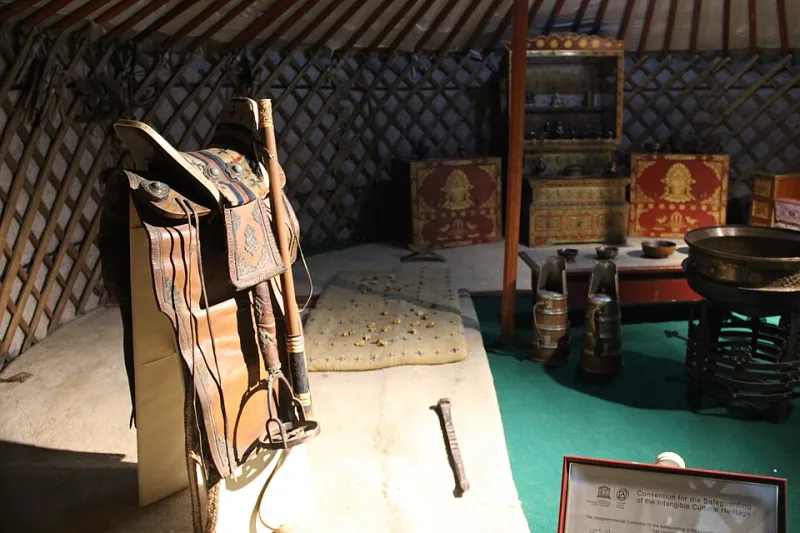
Photo: Gary Todd from Xinzheng, China, CC0, via Wikimedia Commons
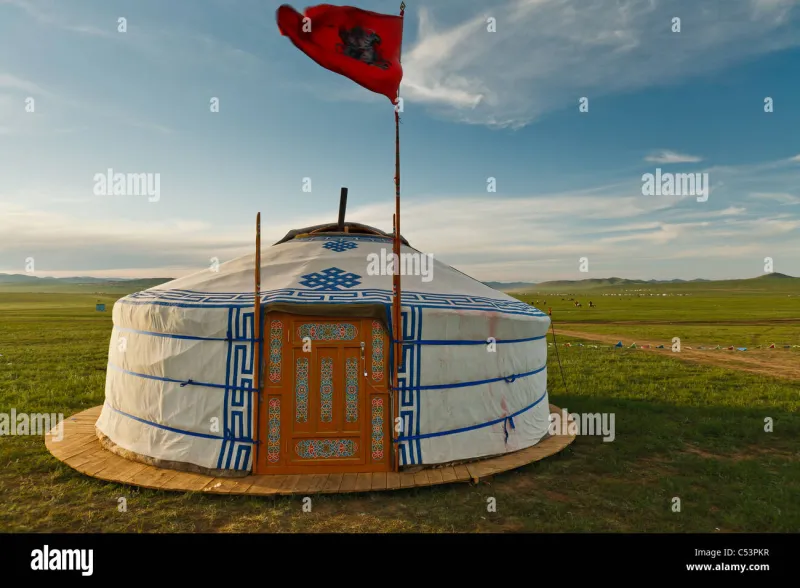
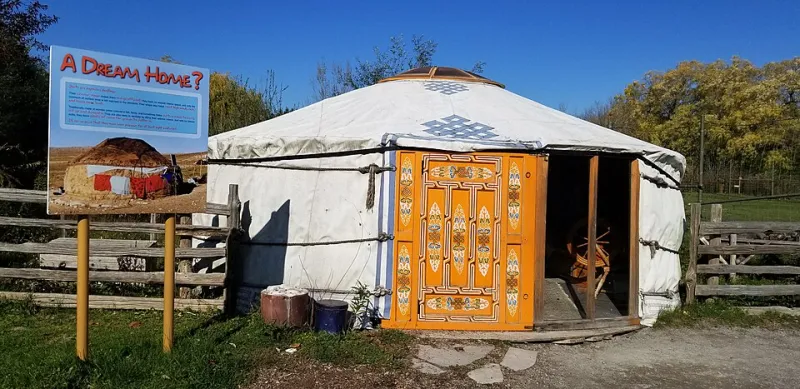
I met a venture capitalist from Austin in a ger three summers ago. First thing he did after the introductions was ask where the Wi-Fi was. Second thing he did, about forty minutes later, was fall asleep sitting upright against a saddle, mid-afternoon, tea going cold in his hand.
He'd flown eleven hours to Ulaanbaatar, then bumped across the steppe for two days in a Russian van, all to end up in a circle of felt doing nothing. He told me later it was the first time in six years his calendar had been empty. Not busy. Not out-of-office. Empty.
He's not alone anymore. There's a quiet migration happening — Americans, mostly professionals in their thirties to fifties, flying to places where the signal dies and the agenda dissolves. The wellness industry has names for it now. The herders I know don't. They just see guests who arrive exhausted and, a week later, aren't.
What the Steppe Does to a Schedule
Here's the thing about Mongolia that no itinerary prepares you for: the country does not negotiate with your plans. Weather moves herds, closes passes, cancels departures. A river that was fordable Tuesday isn't Wednesday. Your carefully built spreadsheet of destinations becomes a suggestion.
For the first day or two, this makes American visitors visibly anxious. I've watched people refresh offline maps as if the steppe might update. Then something shifts, usually around day three. You stop negotiating with the schedule and start reading the sky instead. Will it rain? Then we stay. Is it clear? Then we move.
That's not a productivity hack. It's just how the people hosting you have always lived. But for someone whose entire identity is built around controlling outcomes, it can feel radical.
How Herders Actually See the 'Do Nothing' Tourist
I asked a herder named Batbayar once what he thought of foreign guests who came just to sit. He laughed, then gave it real thought, because that's the kind of person he is.
His answer: a guest who wants to help with the animals is welcome. A guest who wants to sit is also welcome. What's strange to him isn't the doing nothing — nomadic life contains enormous stretches of nothing, watching animals, mending tack, waiting out weather. What's strange is the guilt Americans carry while doing it. The twitching hands. The apologizing for resting.
In a ger, being present is the contribution. You pour tea. You hand the snuff bottle around. You watch the light move across the ceiling. If you can churn butter or hold a lamb during branding, great, but nobody's keeping score.
If you go, understand this: you will be observed with warm curiosity, especially in the first hours. Then you'll just become part of the household rhythm. That transition is the whole trip.
Planning a Trip Whose Only Agenda Is the Weather
If you're considering this kind of journey, some honest guidance from someone who's watched a lot of Americans do it well and a few do it badly:
Go longer and slower, not shorter and wider. Two weeks in one region beats ten days sprinting between Gobi and Altai. Every extra transfer costs a day and buys you nothing but windshield time.
Build in a buffer week. Seriously. Plan your itinerary for two weeks and book your return for three. The best days on the steppe are the unplanned ones, and you can't have unplanned days if your visa math is tight.
Hire a local interpreter-guide, not just a driver. The silence of the landscape is only half the experience. The other half is conversation over dinner — and it happens through someone who can carry it.
Tell your guide what you're actually there for. A good guide will stop scheduling and start reading you. But you have to say it out loud first.
Bring a paper notebook. I'm a photographer, so believe me when I say the camera can wait. The guests who get the most out of this country are the ones who start writing things down — not for content, just to remember.
The Part Nobody Puts in the Brochure
Here's what I'll tell you that the silence-tourism trend pieces won't: the steppe doesn't fix you. It's not a spa. There are nights when the wind doesn't stop, the mutton is tough, and your back hurts from a thin mattress over slats.
But somewhere in there — usually around the fourth or fifth sunrise, when you've stopped checking whether you even have signal — you notice you're having full conversations without being interrupted by anything. Your thoughts slow to the speed of the landscape. You start hearing individual birds again.
The venture capitalist from Austin stayed two extra weeks. When he left, he didn't talk about the silence. He talked about Batbayar's daughter teaching him to ankle a horse, and the taste of airag, and how strange his own kitchen sounded when he got home.
The silence is real. But it's the people inside it that you fly home remembering.