The Real Math Behind a Gobi Crossing: Budgets, Breakdowns, and What I'd Do Differently
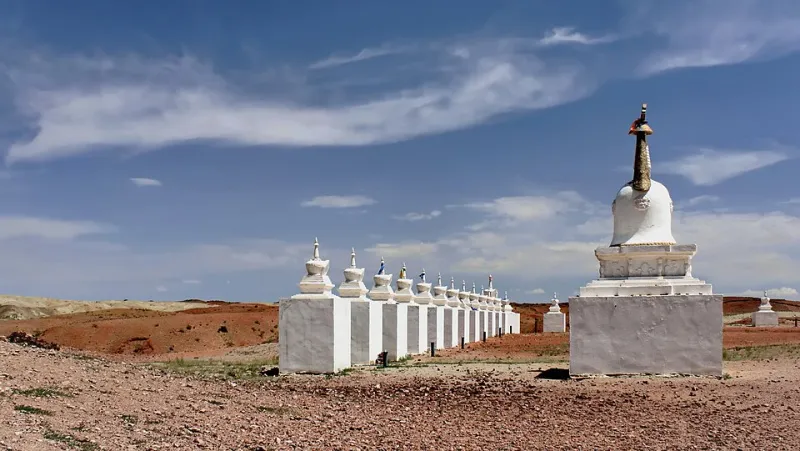
Photo: Marcin Konsek, CC BY-SA 4.0, via Wikimedia Commons
I've planned shoots all over the world, and I can tell you this: nowhere do the numbers matter more than they do in the Gobi. You can wing it in Yellowstone or wing it in Tuscany. You cannot wing it in a desert the size of Maryland with one gas station every couple hundred kilometers.
So let's do something travel writers rarely do. Let's talk money. Real numbers, from my last crossing, in a format I wish someone had handed me before my first attempt.
The Big Picture: What a Crossing Actually Runs
For a two-week Gobi expedition — three people, one Russian van or Land Cruiser, driver, fuel, food, water, and permits where needed — here's roughly what I paid, converted to US dollars:
- Vehicle and driver: $90–$130 per day, all in. That's the rig, the mechanic-turned-driver, and his meals and lodging. Over 14 days, call it $1,500.
- Fuel: The line item that shocks people. Distances are vast and you'll detour. Budget $400–$600 depending on the route and your driver's negotiating skills at the pumps.
- Food and water: If you stock in Dalanzadgad or Ulaanbaatar, roughly $15–$25 per person per day. Add a surplus of water — I carry 5 liters per person per day, minimum, in summer.
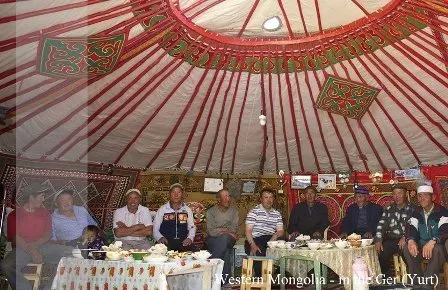
- Ger stays: $10–$20 per night per person, usually including dinner and breakfast. Some families won't take money; bring gifts instead (more on that below).
- Park and permit fees: Nominal, but real. Yolyn Am and Khongoryn Els each carry small entry fees — figure $50 total.
All told, my last trip came to about $2,600 for the group, or under $900 each. Compare that to a packaged tour out of a US adventure company charging $6,000–$8,000 for the same route, and the case for going semi-independent writes itself.
Why the Vehicle Is Everything
Here's what the glossy itineraries don't mention: the Gobi doesn't beat you with heat or distance. It beats you with mechanical failure.
My first crossing, we lost a shock absorber on the flats outside Bayandalai — a hit so soft I barely felt it. Our driver, a quiet man named Batbayar, fixed it with wire, a jack, and the patience of a man who'd done it forty times. Since then, I won't book with anyone who can't answer three questions: How old is the vehicle? Do you carry spare parts? What happens if we break down between Dalanzadgad and the next soum?
If your operator hesitates, walk. In the Gobi, a breakdown isn't an inconvenience. It's a decision about water.
Gear That Survives 100 Degrees and a Sandstorm
Photographing in the Gobi is an equipment stress test. Sand finds every seal. Heat kills batteries. Here's what made the cut:
- Two bodies, taped seams. I wrap the joints of my weather-sealed cameras with gaffer tape. It sounds paranoid until you're blowing sand out of a mirror box at midnight.
- One lens, mostly. A 24–70mm stays mounted; the 70–200 lives in a sealed bag with silica packs. Every lens swap is an invitation.
- A rocket blower in a Ziploc. Non-negotiable.
- Batteries in a shaded insulated pouch. Heat drains them faster than the cold does, which surprises everyone.
- A UV filter left on permanently. Purists will wince. The Gobi doesn't care about your purism.
And for yourself: a buff, real sunglasses, electrolyte tablets, and clothing that covers skin. Cotton kills out there the same way it does in the Southwest desert back home.
The Line Items That Don't Show Up on a Spreadsheet
The best money I spent wasn't on fuel or fees. It was on gifts for the herding families who put us up — a good knife, wool socks, candy for the kids, coffee for the men. Maybe $60 total. It bought more goodwill than any amount of cash, and it's the difference between passing through and being received.
I also budget a "driver's comfort" fund. If Batbayar wants to stop early, eat somewhere better, or take a longer route because the light will be good, I say yes. He knows this country the way a Montana rancher knows his valley. Fighting him to save an hour is the dumbest economy there is.
What I'd Do Differently
Three things, honestly. I'd carry more water — my 5-liters-a-day math got tight during a two-day sandstorm delay. I'd build in two full buffer days instead of one, because the Gobi doesn't respect your return flight. And I'd spend less time chasing the famous dunes and more time in the flats between them, where the light does strange, beautiful things and nobody's standing next to you with a tripod.
The Gobi rewards the traveler who treats it like a serious undertaking, not a checkbox. Do the math, respect the desert, hire the right driver — and it'll hand you the kind of images and stories that no packaged tour ever will.