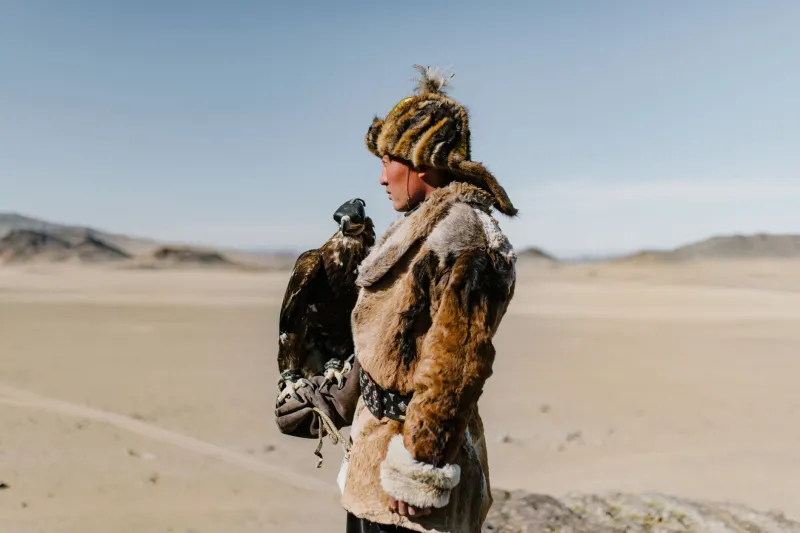
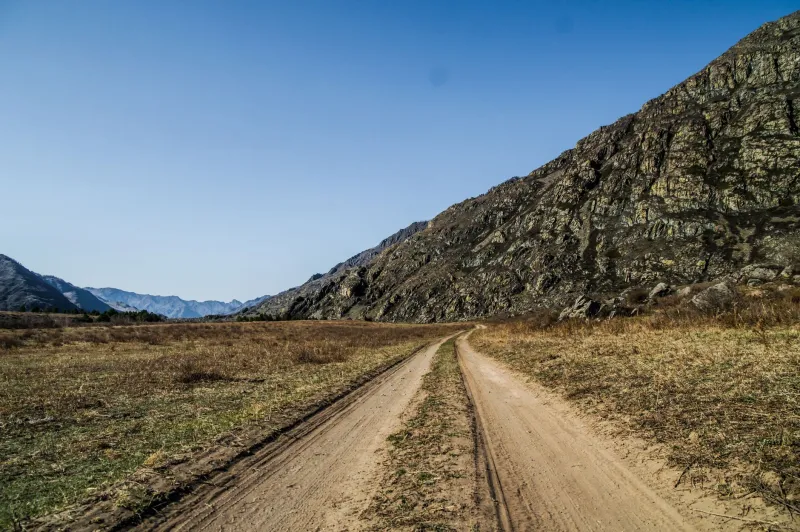
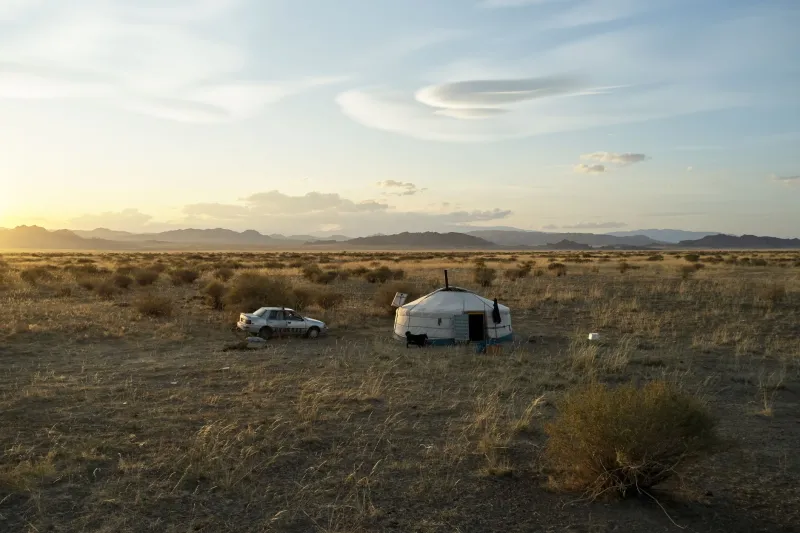
Dust, Horsehair, and No Ticket Booth: Finding a Sum-Center Naadam in 2026
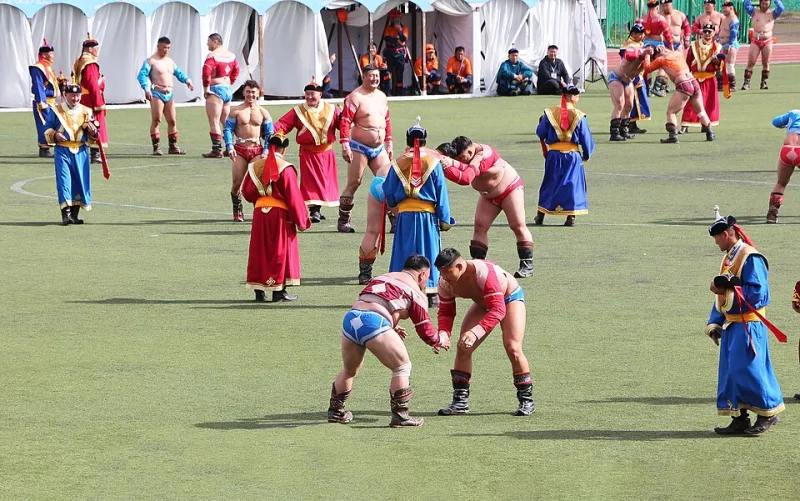
Photo: Bernard Gagnon, CC0, via Wikimedia Commons
Naadam in Ulaanbaatar is a production. There is a stadium, a printed schedule, a ticket window, and a row of vendors selling the same plastic horse figurines. It is impressive. It is also, for a photographer who came for the steppe, a little like flying to Montana and spending the week in a convention center.
The sum-center Naadam is the other version. A sum is a district, and its Naadam is usually a one- or two-day affair on the edge of a small town: a dirt track, a patch of grass, a loudspeaker that works most of the time. Nobody sells a front-row seat. You sit where there is room, you bring water, and you watch the same three events that have been watched for centuries — wrestling, horse racing, archery — with a fraction of the crowd and a lot more dust.
Why the Sum Center Wins
In the city, the festival is framed. There are barriers, announcers, and a clear line between the people performing and the people watching. In a sum center, that line is thinner. A wrestler walks past you on his way to the ring. A horse jockey, eight or nine years old, eats a candy bar under a tree while his horse cools down. The archery targets are close enough that you can hear the arrow hit. You are not outside the festival looking in. You are standing in it, trying not to get stepped on.
That is a gift for a photographer, but it is not a free pass. The access is real, and so is the responsibility. A small Naadam is not a show put on for visitors. It is a family reunion with horse races attached.
Timing the 2026 Summer
National Naadam is fixed around July 11–15. Local dates are not. A sum Naadam might fall in late June, mid-July, or even August, depending on the aimag, the weather, and somebody's cousin's wedding. Start asking in March 2026 if you can. Guesthouse owners, aimag cultural offices, and local drivers are the best sources. A tourism office in Ulaanbaatar may know the big provincial dates, but the sum-level calendar is often word of mouth.
Build a buffer. Do not fly in on July 10 and expect to find a small Naadam the next morning. Give yourself a week on either side of the national holiday, and be willing to change plans. The best local festival may be two days later than the one you circled on the map, and the driver may know a better one in the next valley.
What to Ask Before You Raise the Camera
Ask before the camera comes out. A raised eyebrow and a gesture toward the lens is a start, but it is not a yes. Wait for a nod, a wave, a thumbs-up. If someone turns away, that is the answer. Show the back of the screen after a shot. If they laugh, you have a frame and a small bridge. If they do not, delete it in front of them. That is not a dramatic gesture. It is just manners.
Be careful with children. The jockeys are often young, and they are also tired, sore, and surrounded by adults. Ask a parent or coach first. Do not photograph a child in distress. Do not make a picture of a fall and call it drama. The same goes for wrestlers who lose. The pride in that ring is real, and a lost match is not your character study.
Stay out of the ring. Do not stand in the horse lane. Do not block a grandmother's view because you want a lower angle. If you are shooting with a long lens, remember that the people around you can see where you are pointing it. The camera is not invisible just because you are far away.
The Frames That Happen After the Medals
The medal ceremony is not the end. It is the intermission. After the winners are announced, families load coolers into pickups, jockeys wrap themselves in jackets, wrestlers tie their jackets, and grandmothers pour tea from thermoses. The light gets long. The loudspeaker goes quiet. This is where the story is.
Look for the horse that just ran. The sweat is still drying on its neck. Look for the jockey's hands, the borrowed jacket, the plastic medal. Look for the wrestler who lost, sitting on the grass with his knees up, watching the next match. Look for the pickup truck with the family sitting in the bed, eating noodles out of a shared bowl. These are not the postcard images. They are the ones that will still feel true in ten years.
A sum Naadam is not a secret, and it is not a museum. It is a living event with its own rhythms. If you go, go slowly. Sit down. Drink the tea. Wait until the crowd has thinned before you make the picture you came for. The steppe does not owe you a front-row seat. It gives you something better if you stay long enough to earn it.