Every Frame I Fumbled: A Field Guide to Photographing Nomads Without Blowing It
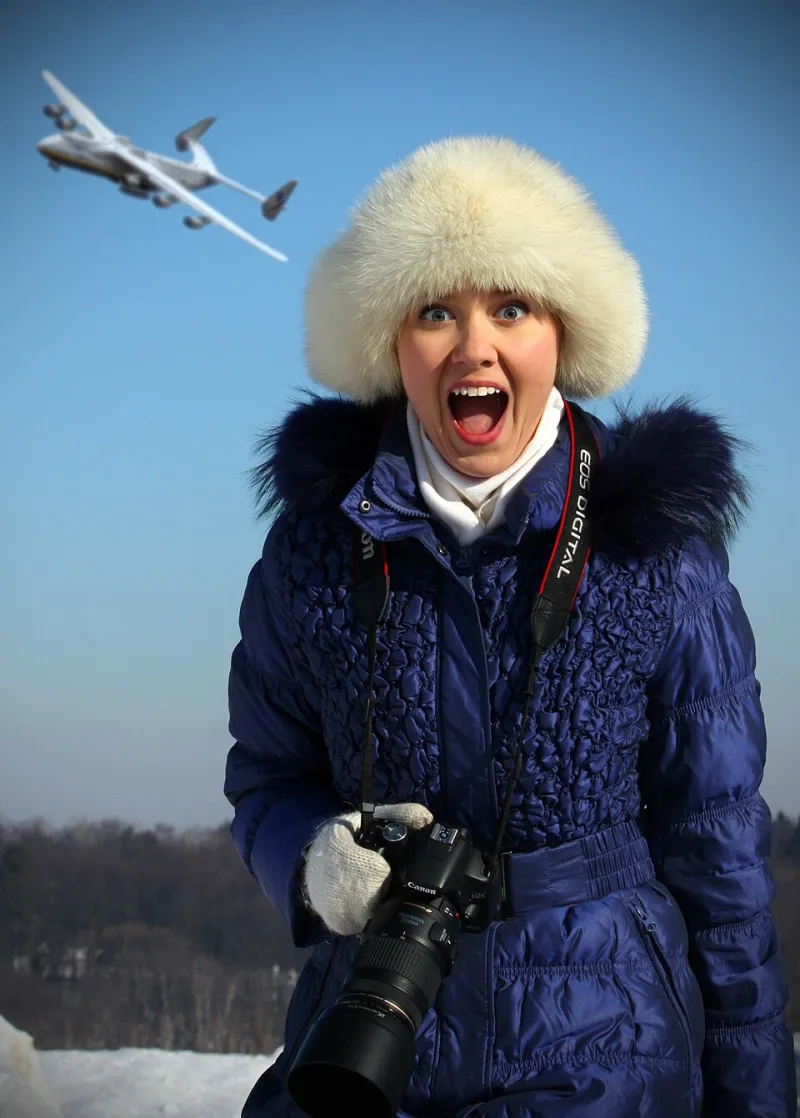
Photo: Dmitry Terekhov from Odintsovo, Russian Federation, CC BY-SA 2.0, via Wikimedia Commons
Let's start with a confession: the first roll of film I ever shot in Mongolia is mostly garbage, and not because of exposure. It's garbage because I hadn't earned a single frame on it. I was a guy with a Leica and a rough phrasebook, treating people's morning like a safari.
Twelve years and dozens of trips later, I still cringe at some of my early work — not the composition, but the posture behind it. This piece is the field guide I wish someone had handed me at the bus station in UB. Five mistakes, five fixes, all learned the hard way.
Mistake 1: Shooting Before You've Sat Down
My first afternoon with a herding family in Arkhangai, I had the camera up within four minutes of arriving. The images were technically fine and completely hollow. Everyone performed for the lens — stiff smiles, kids posed like it was school picture day.
The fix: the tea rule. I don't lift the camera until I've accepted a bowl of suutei tsai, sat through at least an hour of conversation (translated, mangled, whatever it takes), and someone has asked me a question. On a good day that's two hours. On a great day, I don't shoot until the second morning. The frame you get on day two is worth fifty from hour one.
Mistake 2: Framing Nomads as 'Timeless'
This is the big one, and it's seductive. Early on, I deliberately shot around the solar panel, the motorcycle, the kid's smartphone. I wanted the horseman on the treeless hill, the 'untouched' version. The result was a portfolio of lies — beautiful ones, but lies. Nomadic life in Mongolia is adaptive and modern; herders use GPS apps, sell wool through WeChat, and send kids to university in the city.
The fix: photograph the whole life, contradictions included. Some of my favorite recent images are a grandmother sorting cashmere with a Bluetooth earpiece in. That's not a flaw in the picture. That's the truth, and it's more interesting than the fantasy. If your edit could be swapped with a photo from 1890, you haven't documented anything — you've illustrated a myth.
Mistake 3: Treating Consent as a One-Time Transaction
I once paid a family for a morning of shooting, got great access, and left. Two years later I returned and the warmth was gone. I'd treated a relationship like a license fee.
The fix: consent is ongoing and specific. Ask before each session, not just the first. Show people the images on the camera screen as you go. Get a real address or contact — many herders now have phones — and send prints. I mail a small album to every family I work with, every year. It costs me almost nothing and it's the difference between a subject and a relationship. Also: ask specifically about certain shots. A woman may be fine with you photographing her milking but not her sleeping child. Ask each time. Every time.
Mistake 4: Letting the Gear Dictate the Encounter
For one trip I brought two bodies, four lenses, and a tripod that required its own duffel. I spent the whole visit managing equipment instead of people. My best work from that region came later, with one body and a 35mm, because I could actually be present. Nobody invites the guy who turns their ger into a gear closet back for Naadam.
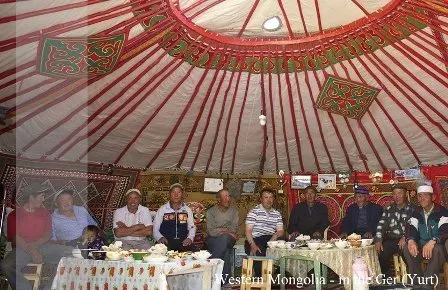
The fix: one body, one lens, and whatever fits in a shoulder bag. If a shot requires a lighting kit and twenty minutes of setup in someone's home, the shot isn't worth the intrusion. Learn to work with available light — a ger's single window gives you the most beautiful soft north light you'll ever use, if you're patient enough to wait for it.
Mistake 5: Shooting Only the Picturesque
For years my Mongolia edit was all wide landscapes and wind-swept riders. Gorgeous, and mostly empty of actual life. What was missing: the callused hands sorting wool, the schoolwork pinned inside the ger, the worry about pasture access and changing weather. I was photographing the aesthetic of nomadism and skipping the substance.
The fix: build a shot list around daily labor and ordinary moments, then let the epic stuff be a bonus. Spend a full day following one person's routine — dawn milking, midday repair, evening herding the animals home. Documentary work is a wall of small honest frames, not one heroic panorama. When I finally made an edit around a single family's ordinary Thursday, it did more for my understanding (and their trust) than three years of landscapes.
The Common Thread
Notice that four of these five mistakes are ethical, not technical. That's not an accident. Out there, your biggest exposure problem is rarely light — it's the gap between what you're taking and what you've given. Get that ratio right, and the pictures take care of themselves.