One Mic, One Ger: Hunting for Throat Singers Where the Roads End
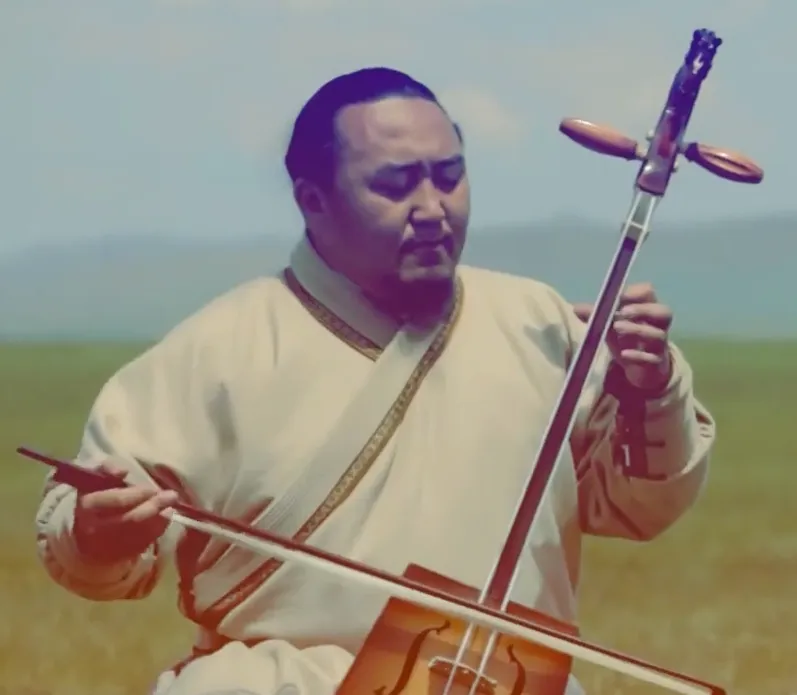
Photo: Aurora Films, CC BY 3.0, via Wikimedia Commons
Every photographer has a sound they can't stop chasing. Mine is a human voice doing something it shouldn't be able to do: two notes at once, a drone and a whistle riding on top of it, like wind finding a crack in a canyon.
Khoomei — Mongolian throat singing — sounds like a production trick until you stand three feet from the person making it. Then it sounds like landscape. Which is the point. The tradition grew out of exactly the terrain I spend my life photographing: wide valleys, long echoes, herders alone with animals for weeks, making music that could carry across a basin.
Where the Music Actually Lives
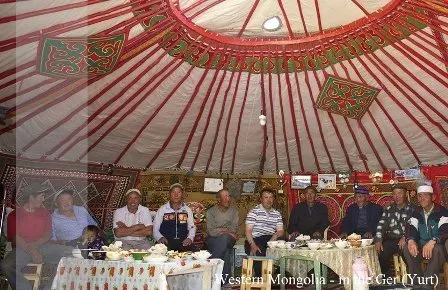
Skip the Ulaanbaatar concert halls, at least for your first listen. The real thing happens in gers, and western Mongolia — Bayan-Ölgii and the aimags around it — is where I've had my best nights. Ask locally, always through your guide or host family. In every camp I've visited, someone sings, or knows who does. Offer to share tea and a meal first. The music follows the hospitality; it doesn't precede it.
The morin khuur, the horsehead fiddle, tends to come out after the third bowl of suutei tsai, when the shyness burns off. Long songs — urtiin duu — are the revelation most travelers miss. One breath, one note, stretched across what feels like a full minute. It's not performance so much as patience made audible.
How UNESCO Changed the Room
Khoomei's UNESCO Intangible Cultural Heritage listing in 2009 was a double-edged saddle. On one hand, it brought funding, formal training, and pride — young Mongolians now study throat singing at conservatories, which would've been unthinkable a generation ago. On the other, it created a stage version of the art: polished, amplified, slightly sped up for foreign audiences.
Neither is fake. But they're different animals. The conservatory performer is a virtuoso. the uncle in the ger is a vessel. If you only have time for one, hear the uncle.
Recording Without Being a Jerk
A few field-recording rules I've learned the hard way:
- Ask before the recorder comes out. Every time. A gesture toward your recorder and a raised eyebrow is usually enough.
- One mic, small setup. A shotgun mic or a decent field recorder on a table. Nothing that changes the mood of the room.
- Record the space, not just the source. Leave the recorder running through the tea pouring and the conversation after. That's the context that makes the music mean something later.
- Send copies back. Get an email or a mailing address through your guide, and follow through. I've mailed USB drives to sum centers across three aimags. It matters, and word travels.
- Never pay per song. Bring a gift instead — good tea, tobacco, something for the household. Transactional listening turns a shared evening into a souvenir.
Shooting the Sound
Photographically, these nights are the hardest and best light I work in. A single ger stove, one hanging bulb, faces lit from one side. Push your ISO and let the grain happen — a noisy frame of a singer mid-drone beats a clean one of him posing afterward. Shoot between songs, when the listener's face, not the singer's, tells the story.
I've come home with recordings I play while editing. Some nights the audio outlasts the photos. That's fine. Some places you carry back in your ears.