Thirty Seconds of Grass: The Case for Slowing Your Shutter (and Yourself) Down
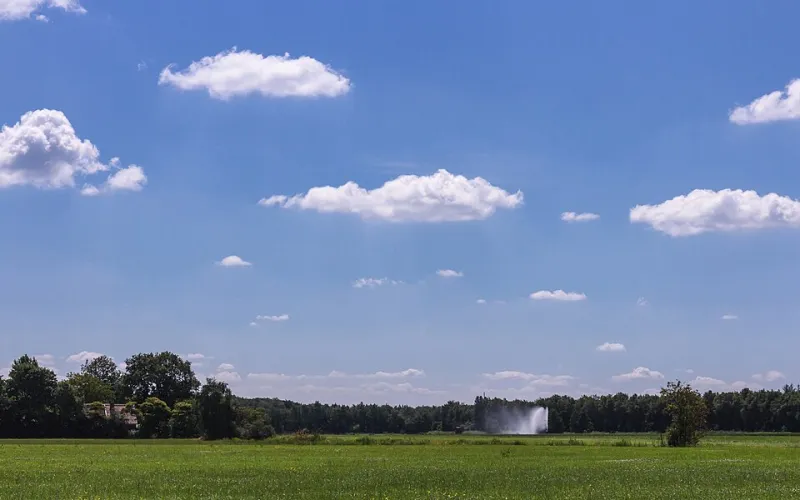
Photo: Dominicus Johannes Bergsma, CC BY-SA 4.0, via Wikimedia Commons
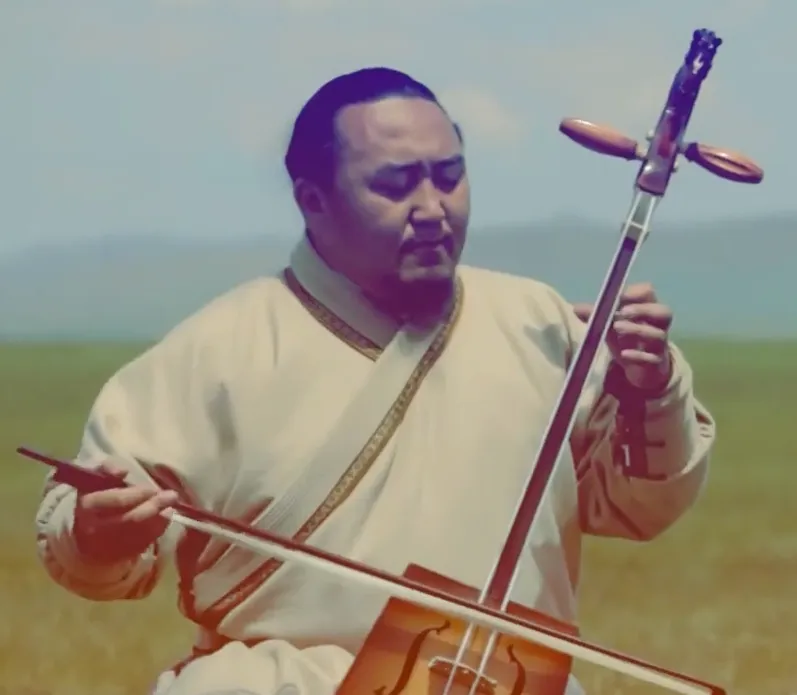
I spent my first week in Mongolia shooting like an American: fast, generous with frames, always ready for the moment to bolt. My card filled up. My keeper rate was embarrassing.
It took a herder named Batbayar to slow me down. I asked him how long he'd been at the same pasture, and he shrugged and said something like "since the grass came back." That's a timescale. The steppe doesn't do milliseconds, and once I stopped fighting that, my photography changed.
Why the Steppe Demands Patience
Everything about Mongolia resists the quick grab. Distances are so vast that light takes what feels like an hour to travel across a single valley. Weather systems you can watch build for forty minutes before they arrive. Horses move in patterns that only make sense if you wait for the whole sentence, not the first word.
So I started leaving the shutter open — thirty seconds, sometimes two minutes — and letting the land write its own motion blur. Grass streaks like water. Clouds smear into brushstrokes. A lone ger sits sharp and still while everything around it flows. That's the picture I couldn't get at 1/1000th of a second, no matter how many frames I burned.
The Settings I Actually Use
For anyone packing for their first big open-landscape trip, here's the honest kit:
- Base exposure: ISO 64–100, f/8 to f/11, and let the shutter run long. In daylight you'll need a solid 6- or 10-stop ND filter. Don't cheap out — a bad filter gives you weird color casts you'll hate in Lightroom.
- Tripod non-negotiable: Get one that handles wind. The steppe is not gentle. I hang my pack off the center column and weight the legs with rocks.
- Mirror up or electronic shutter: Any vibration at 30 seconds shows. Use a 2-second timer or remote.
- Live histogram, always: Metering a bright sky over dark grass fools every camera ever made. Trust the histogram, expose to protect the highlights, lift shadows later.
One more counterintuitive tip: shoot fewer frames. When you know a single exposure costs you thirty seconds, you compose like it matters. That discipline is the real gift. I came home with maybe 2,000 frames from three weeks — and a higher keeper rate than any trip I've ever taken.
Waiting Out Weather (Instead of Hiding From It)
Back home, I'd cancel a shoot if the forecast looked grim. Out here, bad weather is the assignment. A storm crossing the grassland at golden hour is the single most cinematic thing I've ever photographed, and it only exists because I sat in the van for an hour drinking milk tea while the front rolled in.
Practical version: watch the horizon the way herders do. Clouds building over the mountains in late afternoon usually mean drama by evening. Position yourself early, pick your foreground — a fence line, a horse skull, a river bend — and let the sky do the performing. Long exposure turns a moody sky into something painterly.
What Slowness Actually Buys You
Here's the philosophical part, and I'll keep it short because the steppe already made the point better than I can. Long exposure photography is really attention training. You can't rush a 90-second frame, so you stand there, in the wind, actually looking. I notice things in those waits — the way a herder checks the sky, the sound of hooves a valley over — that I'd have missed at burst speed.
And the images carry it. A fast photo of the steppe looks like a postcard. A slow one looks like time passing, which is what the place is actually about.
So if Mongolia's on your list — or anywhere big and quiet is — try this: one lens, one tripod, one filter, and a hard limit of ten frames a day. It'll feel like going cold turkey. Then it'll feel like the whole reason you bought a camera in the first place.