Waiting for the Golden Hour: How I Shoot the Endless Grass
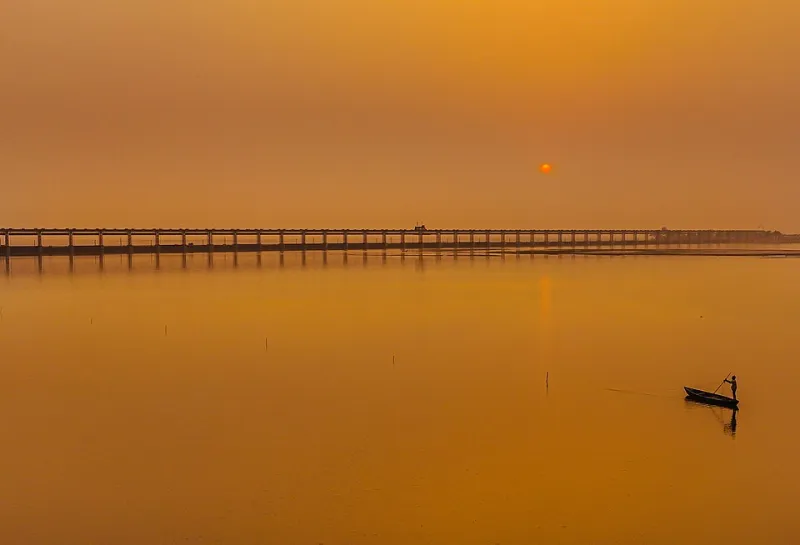
Photo: Gaurav Bhandari, CC BY-SA 4.0, via Wikimedia Commons
People assume photographing Mongolia is easy because the scenery does all the work. Big skies, rolling grass, horses on the horizon — point, shoot, done. After more than a decade of working out here, I can tell you it's the opposite. The steppe is so vast and so empty that it swallows images whole. A landscape that looks overwhelming in person can turn into a flat green nothing on your memory card.
The trick isn't gear. It's patience, timing, and learning to see the way the light moves across a place with almost nothing in it to block the sun.
The Steppe Is a Lighting Studio With No Walls
When you're standing on the grassland with no mountains, no trees, no buildings, the horizon becomes your only compositional anchor. That's terrifying at first. Then it becomes liberating.
My rule: the steppe is at its best in the first and last ninety minutes of daylight. Midday sun flattens everything into a postcard. But at dawn and dusk, low-angle light rakes across the grass, and suddenly you get texture — every blade casting a tiny shadow, every undulation in the land revealing itself. This is the same golden-hour logic every wedding photographer in Ohio knows, but here it's amplified because there's nothing to diffuse it. No haze, no smog, no light pollution. The light is clean in a way that's genuinely hard to describe to someone who's only shot in the States.
I plan my days backward from sunset. Where will the light come from? Where will the shadows fall? If I want a herder silhouetted against the evening sky, I need to be in position forty-five minutes early, tripod legs already spread, camera dialed in, just watching.
Composition When There's Nothing to Compose
A few things that consistently work out here:
- Use a subject for scale. A lone rider, a ger, a single horse. Without one, a shot of the steppe reads as an abstract smear of green. With one, the viewer's brain finally understands how enormous the space is.
- Let the sky take sixty to seventy percent of the frame. Mongolian skies are the co-stars of every image. Cloud formations here build dramatically in summer and can carry an entire composition on their own.
- Embrace negative space. I spent years composing the American way — fill the frame, get closer. The steppe taught me that emptiness is the subject. A photograph that's ninety percent empty grass and ten percent a distant horseman says more about Mongolia than any crowded frame ever could.
- Shoot through weather. Dust, rain squalls, the first snow of October — the worst conditions for comfort are the best conditions for drama. Some of my favorite frames came from moments when every instinct said to get back in the vehicle.
Working by Firelight Inside a Ger
Interior shooting is where most photographers get humbled. A ger is a single round room, lit by a stove, a few windows, and whatever comes through the crown opening. It's dim, warm-toned, and constantly shifting.
Don't fight it. The firelight is the story. I shoot wide open — a fast prime in the 35mm range, pushed to high ISO, and I let the grain live in the frame. Modern sensors handle this beautifully; embrace the texture instead of scrubbing it out later. Position your subject near the stove glow and let half their face fall into shadow. That chiaroscuro quality is what makes ger interiors feel cinematic rather than documentary-flat.
One practical tip: bring spare batteries and keep them warm. Cold nights drain them fast, and there's no gas station on the steppe.
Photographing People Without Taking Something From Them
This is the part I care about most, and the part travel photography glosses over far too often.
Nomadic families are generous to a fault. A herder who met you an hour ago will invite you in for milk tea and airag and let you photograph everything. That generosity is a gift, not a license. A few principles I hold to:
- Ask, always, even when they say yes to everything. A gesture toward the camera and a raised eyebrow works in any language. If someone hesitates, put the camera down.
- Stay longer than you shoot. If you arrive, take photos, and leave, you're a tourist extracting images. If you arrive, help with the morning milking, eat dinner, sleep over — the photographs become a byproduct of a relationship.
- Show them the images. Handing back prints on a return trip is the single best thing I've done out here. It closes the loop.
- Never stage poverty or hardship for drama. Nomadic life is demanding, but it's also joyful, funny, and deeply modern in places. Photograph the whole truth, not the one that fits your narrative.
Timing Your Trip Around the Light
If you're planning a photography-focused trip, here's my honest breakdown. June gives you the greenest grass and long evenings, plus Naadam festivities if you time it right. September into early October is my personal favorite — golden grass, sharpened light, fewer vehicles on the tracks, and a quality of air clarity that makes 200mm lenses feel like they're cheating. Winter is brutal and magnificent: -30°F mornings, but horsemen in fur hats moving through steam and snow light that photographers chase their whole careers.
Whatever you bring, bring less than you think you need. Two bodies, two or three lenses, and a sturdy tripod will outperform a bag full of glass you'll never pull out. Everything out here gets dust, grit, and vibration — redundancy matters more than reach.
The steppe will reward you, but only if you slow down enough to let the light come to you. That's the real lesson Mongolia keeps teaching me, frame after frame.